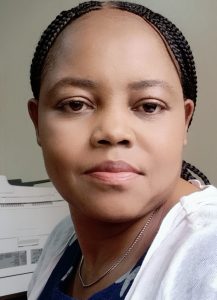
 Volunteering in Uganda as an Environment & Climate Adaptation advisor has reshaped how I understand climate justice and gender equality. Before arriving, I had read reports, strategies, and frameworks. On the ground, those ideas took on human faces, voices, and daily realities that no document could fully capture. Through this work, one thing that has come very clear to me is that climate and environmental issues are deeply tied to gender equality.
As climate change grows, women and girls carry the heaviest burden. They work longer hours, face growing insecurity, and have fewer resources to fall back on. Addressing climate change is, therefore, an essential part of protecting women and girls, promoting justice, and creating safer and healthier communities. Across many communities, especially in the Global South, women and girls are often the most affected by climate impacts such as droughts, floods, food insecurity, and displacement. At the same time, they are frequently excluded from decision making spaces where climate solutions are designed. This imbalance is not accidental, it is shaped by long standing social, economic, and political inequalities. Any serious response to climate change must, therefore, include the protection and empowerment of women and girls.
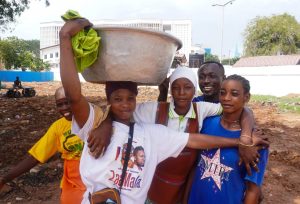
In Uganda, climate change is already part of everyday life. Unpredictable rainfall, frequent floods, longer droughts, and environmental degradation that continue threatening food production, access to water, health, and household incomes. These challenges are felt across communities, yet they weigh heaviest on women and girls. When crops fail or water becomes scarce, it is usually women who must find alternatives. When floods destroy homes, it is women who rebuild family stability. Climate action is not only about protecting nature, but also about protecting the people.
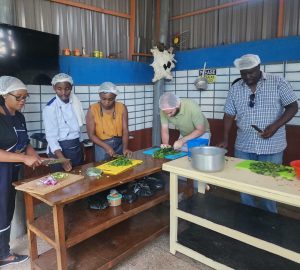
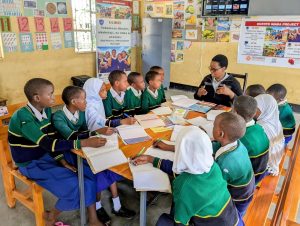
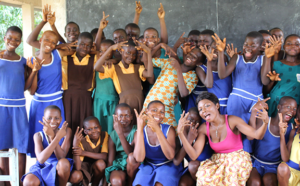
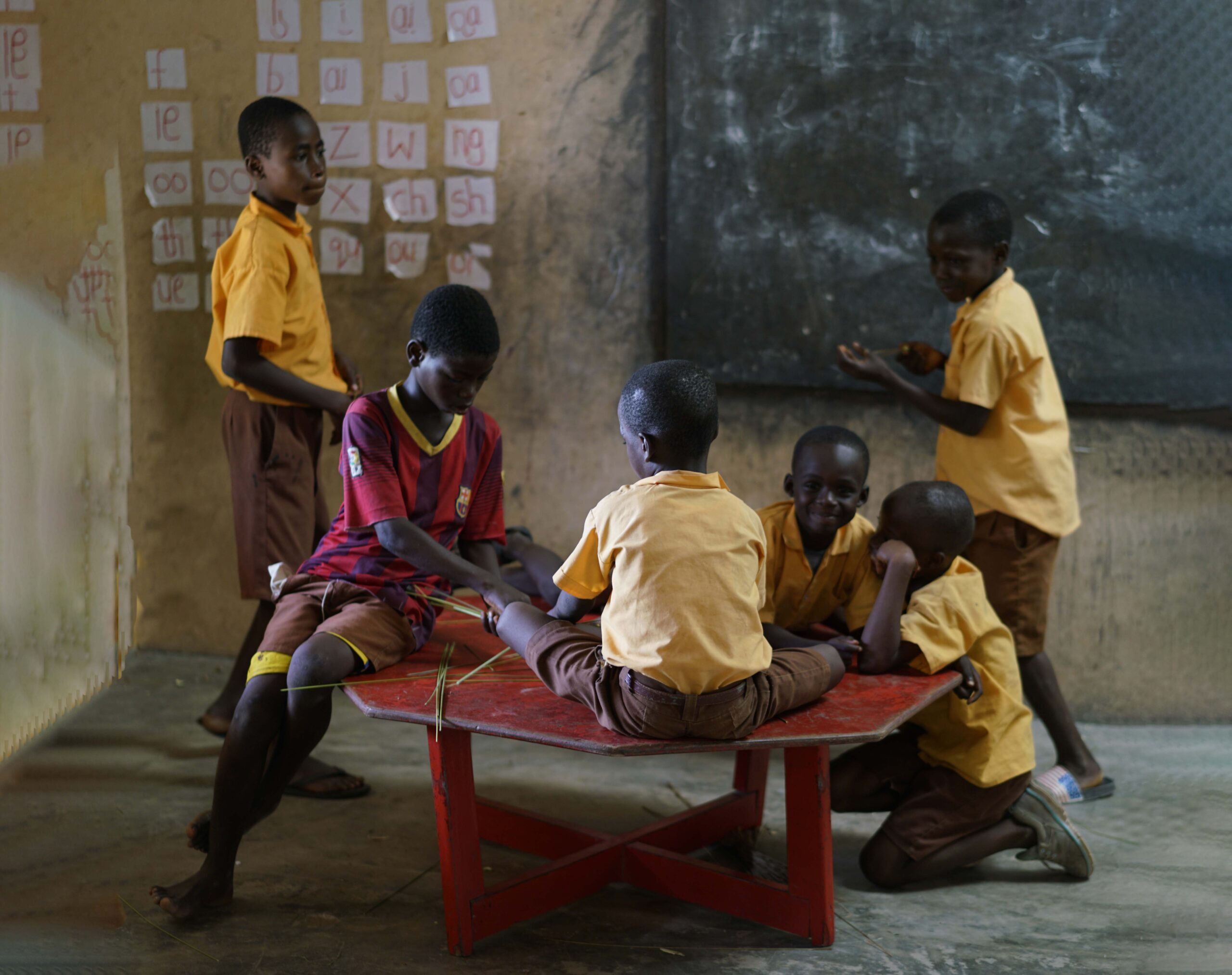
During community engagement activities in Kampala, I heard from a young school going girl in Bwaise II, an informal settlement with poor drainage and regular flooding. She shared how floods and poor sanitation sometimes force children to miss school because they cannot safely reach their classrooms. Her story reminded me that climate stress slowly steals opportunities, especially from girls who are trying to complete their education.
BUILDING CLIMATE RESILIENCE THROUGH GENDER EQUALITY
Women in many Ugandan households are responsible for collecting water and firewood, caring for families, and sustaining livelihoods. All this depend on the land resource. As climate pressures increase, so do the risks such as food insecurity, displacement, and exposure to violence. This is why most of the partner organisations I support have also focused on gender justice in their climate work.
The three partner organizations I support, Action for Development, FIDA Uganda, and Rape Hurts Foundation, are strengthening climate resilience through rights-based and survivor-centered approaches. They help women address land conflicts, pollution, and environmental mismanagement. They support survivors of gender-based violence to rebuild their lives and gain practical skills. Their combined efforts show what is possible when local leadership and global solidarity come together.
SUPPORTING LOCAL SOLUTIONS
Effective climate action grows from the ground up. Top-down approaches often fail to account for local realities, especially gender dynamics. In contrast, initiatives that are designed and led by communities tend to be more sustainable and inclusive. As part of my journey with these organizations, I have seen how strong policies, community engagement, and access to justice supports lasting environmental change. This experience has strengthened my belief that climate action is most effective when it protects rights, empowers communities, and promotes sustainability at every level. Those who are most affected by climate change often have the least influence over the solutions.
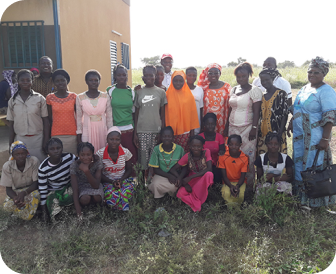
At the same time, I witnessed remarkable resilience and leadership among women. In several communities, women had organized groups to invest in climate resilient farming practices experimenting with drought resistant crops on a small-scale irrigation. These initiatives were not driven by external actors. They were community led responses shaped by lived experience.
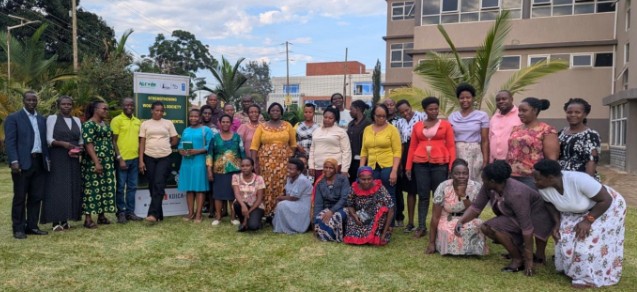
During one of the training sessions, a participant shared a reflection that stayed with me. She said, “We have always been doing climate related work, but now we have the language and structure to clearly show it, strengthen it, and plan for the long term.” Moments like this show how important it is to connect everyday community work with clear frameworks and shared understanding.
With support from Crossroads International, two of the organizations have developed environmental policies through collective and participatory processes. These policies will guide future decisions and ensure climate action remains part of their mission.
WOMEN AND ORGANIZATIONS LEADING CHANGE
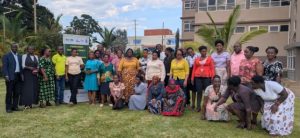
Through my placement, I have worked closely with three inspiring Ugandan partner organizations. Each of them leads to change in a different way, and each has shaped my understanding of how gender justice strengthens climate justice.
Action for Development (ACFODE) supports women’s social and economic empowerment, especially for livelihoods based on farming and natural resources. I have learned from ACFODE that when women gain skills and leadership opportunities, families adapt to climate shocks more effectively. FIDA Uganda provides legal aid, advocacy, and policy reform for women and children. Through FIDA, I have learned that legal empowerment helps women claim land rights, challenge environmental injustice, and participate in decision making. Rape Hurts Foundation works with survivors of sexual violence and communities affected by displacement in Jinja and nearby districts. From RHF, I have learned that compassion, protection, and skills development are essential for helping survivors rebuild after climate-related crises.
These partners have shown me that meaningful climate action must protect rights and empower women and girls.
SMALL ACTIONS WITH REAL IMPACT
In Uganda, consistent and practical steps are building hope. Activities like community clean-ups, waste management dialogues, workshops on climate justice, and women-led mapping of environmental risks are changing attitudes and encouraging accountability.
During a workshop, a young woman stood up and said she felt confident speaking about environmental issues for the first time. Understanding her rights and the links between climate and daily life gave her courage to keep fighting for a greener future.
As a volunteer, my role is not to lead, but to listen, support, and learn. I learned that effective climate action begins with humility. It requires recognizing that communities already understand their challenges and often have solutions rooted in local knowledge. Gender responsive climate work means creating space for women to speak, be heard, and influence decisions that affect their lives.
Volunteering in Uganda has made me reflect on my own position. Climate justice is not only about what happens in vulnerable communities. It is also about global responsibility, historical emissions, and unequal power structures. The impacts I have witnessed in Uganda are linked to decisions made far beyond its borders.
Climate action is not only technical, it is deeply human. When we understand the gendered impacts of climate change, we begin to see clearer and more inclusive solutions.
Wilver Ongoro , Environment & Climate Change Adaptation Advisor in Uganda, 2026