




At the Crossroads
of Change

One World,
Many Voices
2025/26 Annual Report
10 countries
103 volunteers
70 partners
161,008 community members

Chapter 01
Our Story
Dear Crossroaders,
In a year marked by global uncertainty, I was continually inspired by the progress being driven locally by the communities we work alongside. Across sub-Saharan Africa, women, youth, and community leaders demonstrated remarkable resilience, innovation, and determination in the face of complex challenges.
Whether in Uganda, Senegal, Ghana, or Côte d’Ivoire, we witnessed the same thing: women and communities leading their own solutions. From farmers adapting to climate change and young people building new economic opportunities, to disability advocates expanding access to justice, local leadership continues to be the driving force behind lasting change.
None of this would be possible without you – our donors, volunteers, partners, staff, and supporters.
The stories in this report celebrate those achievements. This year, we launched the IMAJE project (the Multisectoral Initiative for the Future of Youth in the Green Economy), we advanced community-based access to justice initiatives across many countries, and we celebrated the lasting impact of the Scholars for Social Change program in Uganda. These stories show what is possible when communities work together toward a shared vision.
Thank you for your trust, commitment, and belief in a more equitable world. Your contributions help create opportunities for women and girls to thrive and lead change in their communities.
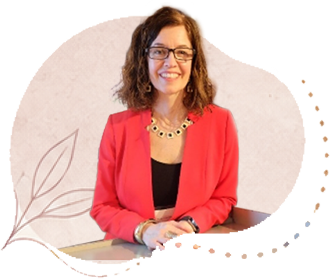
Heather Shapter
Executive Director
Crossroads International
As we look ahead, we remain committed to listening, learning, and working alongside our partners to support the change they are creating. Together, we can continue building a world where equality prevails, communities prosper, and women and girls can reach their full potential.
Thank you for your continued support. We truly could not do it without you.
Heather Shapter
Executive Director
Crossroads International


About Crossroads
Crossroads International is dedicated to learning from and addressing the needs of our partner organizations and the women and girls they support. We prioritize programs based on their expressed needs and collaborate with experienced organizations in women’s rights and gender equality. This partnership allows us to understand and respond to the evolving needs of underserved women and girls. Our holistic, gender-transformative, and sustainable approach to development is grounded in collaboration and consultation with those we serve.
Areas of Focus
Ending
gender-based
violence

Women’s
leadership

Girls’ rights and
empowerment
Economic
empowerment and
climate change
resilience
“Together, we are working towards an equitable and just world where women and girls can fulfill their vast potential.”

Our Mission
Crossroads International works to overcome poverty and advance gender equality in ten countries: Burkina Faso, Ethiopia, Ghana, Côte d’Ivoire, Senegal, Eswatini, Tanzania, Togo and Uganda.
We are creating an equitable and sustainable world by engaging and empowering individuals, organizations and communities through mutual learning, solidarity and collective action.
Our
Vision
ONE WORLD where poverty is eliminated, equality prevails, and the rights of women and girls are fulfilled.
Values
Equality
Advancing human rights and fundamental freedoms for all – regardless of social, cultural, political and economic background.
Empowerment
To champion the agency of individuals and communities in pursuing their autonomy and claiming their rights.

Diversity
Promoting equality and inclusion of all – engaging diverse perspectives and experiences – to enrich each other and to contribute to our common cause.
Many Voices Across Africa
Local voices, shared progress across 10 countries.
- Senegal
- Guinea
- Côte d’Ivoire
- Burkina Faso
- Ghana
- Togo
- Uganda
- Ethiopia
- Tanzania
- Eswatini

Our Impact, Together
-
103
volunteers
mobilized their
expertise to create
lasting change -
$8,143,154
mobilized
to fuel
transformational
programs and
partnerships -
70
partners
driving impact in
10
countries
-
56,683
participants
reached, benefiting
161,008
community members
Chapter 02
Coming Together
The Third Annual Volunteer Conference in Toronto
Pathways to Gender Equality: Real Stories, Shared Futures
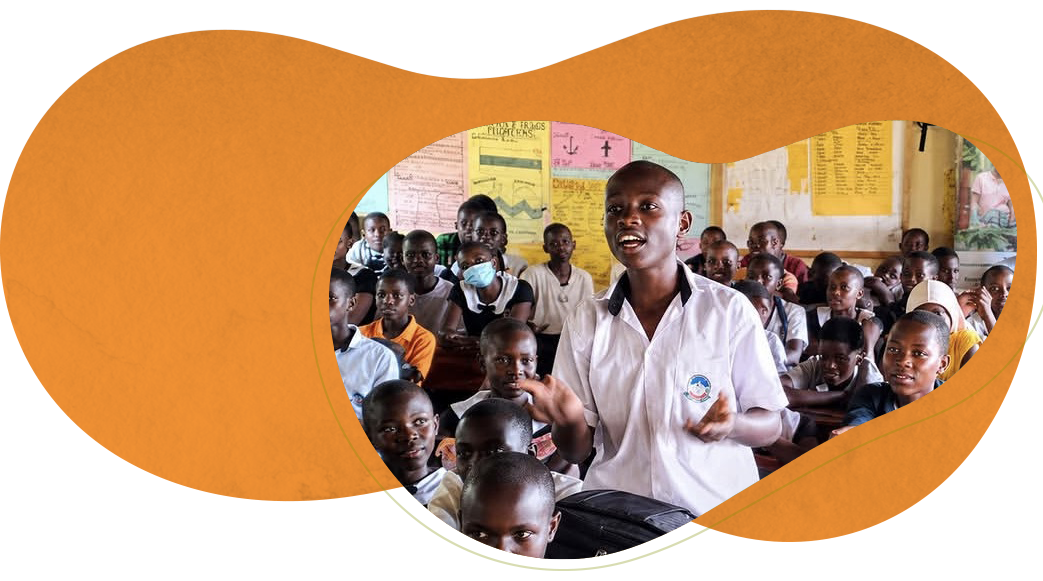
On November 15, 2025, Crossroads International welcomed volunteer alumni, partners, supporters, and members of the public to Toronto for its third annual Volunteer Conference. Under the theme Pathways to Gender Equality: Real Stories, Shared Futures, the event invited participants to reflect on what equity in international volunteerism looks like in practice and how locally-led partnerships continue to shape more inclusive and sustainable development.
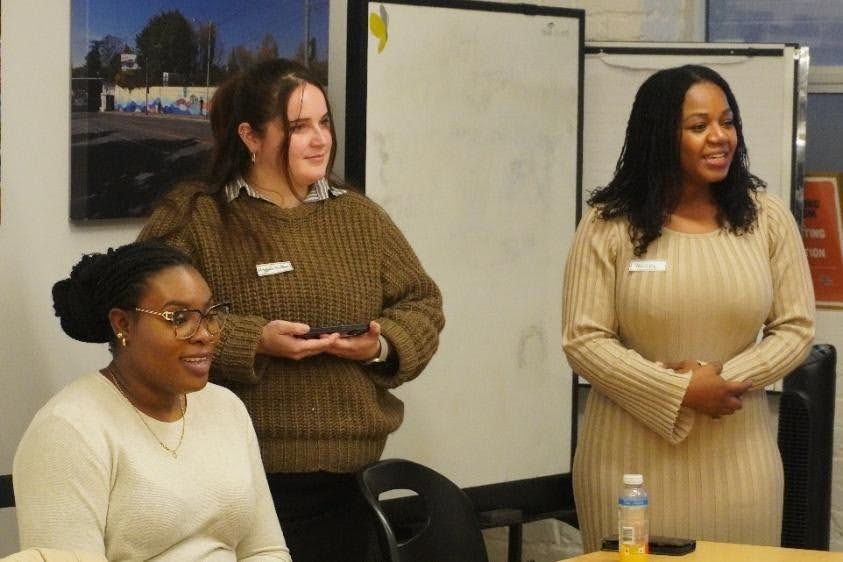
The conference opened with remarks from Executive Director Heather Shapter and Member of Parliament Chi Nguyen, who underscored the importance of collective action and community leadership in advancing gender equality. Their messages set the tone for a day centred on learning from one another and recognizing the role that volunteers, local organizations, and supporters all play in creating long-term impact.
A keynote address by Joëlle Kabisoso, founder of Sisters in Sync, challenged participants to think critically about equity, leadership, and the importance of creating spaces where women and girls can thrive.
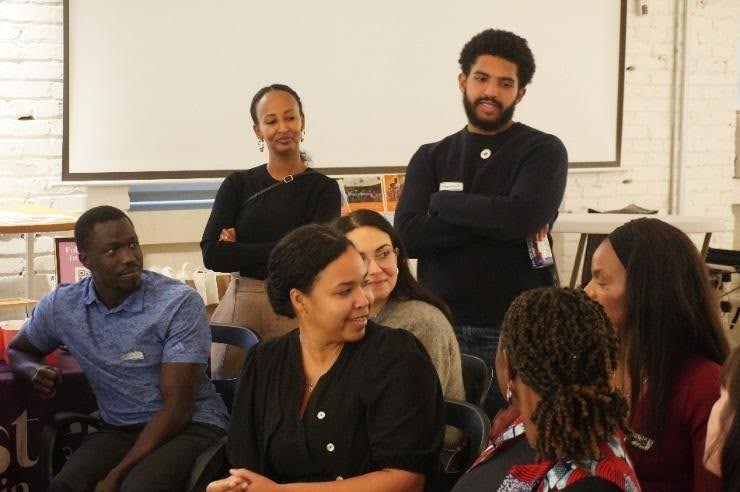
Throughout the day, returned volunteers brought the conference theme to life by sharing personal experiences from their placements and reflecting on the relationships they built with local partner organizations. Moderated by Project Officer, Gender Equality, Women’s and Girls’ Empowerment, Hilina Wassihun-Meseret, the panel featuring alumni Derrick Owosu-Kodua, Wazi Dlamini-Kapenda, and Christine-Ashley Aryee offered honest perspectives on navigating cross-cultural collaboration, supporting locally-led initiatives, and the ways volunteer experiences continue to shape their personal and professional lives long after returning home.
Participants also attended interactive workshops led by volunteer alumni and partners such as storytelling as a powerful tool for advocacy, conversations on identity, partnership, and collaboration across cultures, and the importance of strengthening local leadership so communities can define and drive their own priorities. Together, the sessions encouraged participants to reflect on how international volunteerism continues to evolve toward more reciprocal and equitable partnerships.
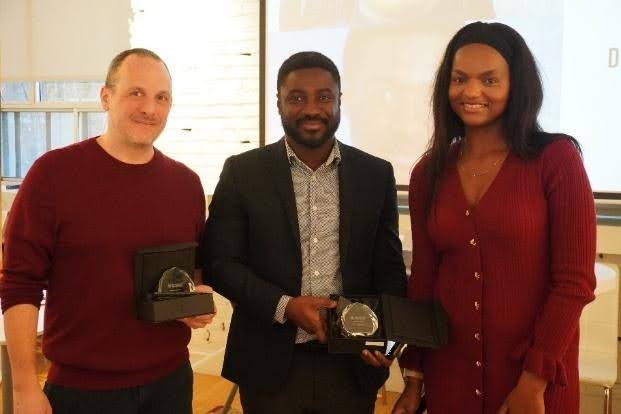
Beyond the formal sessions, the Human Library and networking activities created opportunities for volunteers, partners, and supporters to connect through conversation, exchange experiences, and learn from one another in a more personal setting. These moments reflected the spirit of the Crossroads community, where relationships remain at the heart of our work long after a placement has ended.
The conference concluded with the Volunteer Recognition Awards, celebrating alumni whose commitment has continued well beyond their volunteer mandates. Honourees were recognized for their contributions to public engagement, fundraising, advocacy, and volunteer leadership, demonstrating the many ways Crossroaders continue to champion gender equality and global solidarity within their own communities.
A Legacy of Coming Home: Twenty Years of Choosing People First
A Reflection on What Endures: An Interview with Mamoudou Dotia, Program Support Advisor in Ghana, with Tara Scanlan
They say you can measure a relationship by how many times you return to it. By that measure, my relationship with Crossroads International is one of the most enduring of my life.
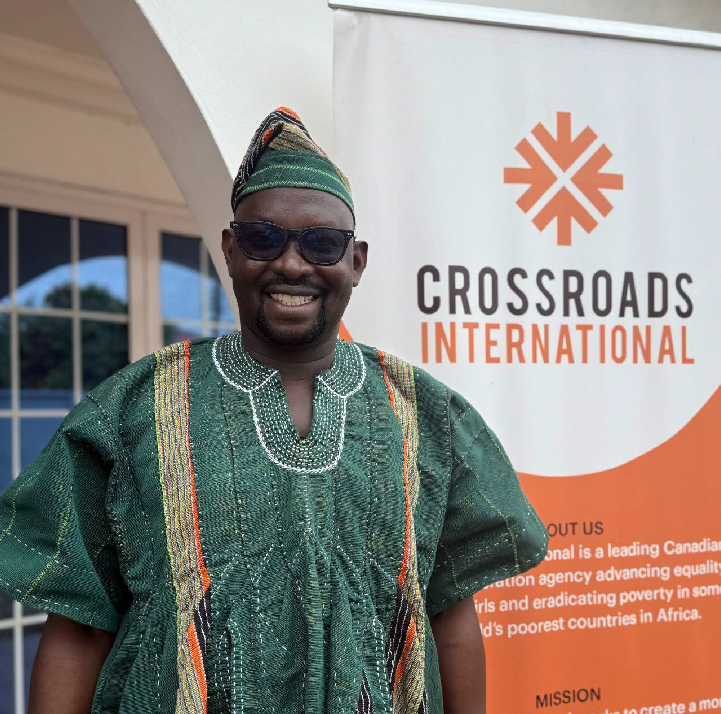
It started in 2001 – when the organization still went by the name Carrefour Canadien International. I was young, and the work was new to me. By 2002 I had taken on a role within the institutional development program team of Crossroads, integrating volunteers from the Québec sans Frontières and Cyberjeunes projects, one by one. That work taught me something I have carried ever since: the importance of human support in international cooperation. Technical skill matters. But people matter more.
I left. Life takes you places. Other organizations, other mandates, other chapters. But I returned in 2018, drawn back by a sense that something here was unfinished – or perhaps that something here had never really ended. I worked until 2020, focused on project development and monitoring and evaluation, until a global pandemic changed everything.
A turning point
“Crossroads International is where I took my first steps in international cooperation. At every stage of my journey, it reminded me that cooperation is not just about projects or numbers – but above all about the dignity and value of people.”
March 2020. COVID-19. All volunteers were repatriated. For many organizations, that moment was pure logistics. For Crossroads, it was something more: a demonstration of what the organization actually believes about people. We were supported. Genuinely, carefully supported – in a time of enormous uncertainty.
I will not forget that. It is easy for an organization to speak about values. It is much harder to live them when circumstances are difficult and resources are stretched. Crossroads chose the harder thing. That moment deepened my attachment in ways I could not have predicted.
In 2025, I came home again. That is the only word for it. Home.
What meaningful work looks like
People sometimes ask me what twenty-plus years in international development has taught me about what makes this work matter. My answer has not changed much over the decades, though I understand it more deeply now than I did at the start.
“Crossroads International demonstrated deep consideration for people – offering us all the necessary support during a time of great uncertainty.”
Meaningful development work means listening before acting. It means strengthening the capacities of communities so they can drive their own futures – not creating dependency, but fostering autonomy. It means promoting inclusion and equity without treating those words as slogans. And it means building trust that lasts long after a mandate ends, long after a volunteer goes home, long after a report is filed.
What has rewarded me most, across all of it, is watching partner organizations grow. Supporting them in their earliest, most uncertain stages. Then observing, over years, how they moved toward greater autonomy, improved governance, and tangible impact in their communities. That arc – from fragile to capable – is what keeps me in this work.
For those considering getting involved
If you are reading this and wondering whether to volunteer, to donate, to get involved in some way – I would not waste time on a complicated argument. I would simply say: get involved.
You will find an organization that places people genuinely at the heart of its mission. One that particularly values supporting women and girls. And your contribution will go further than you expect – beyond any specific technical task, toward something more durable: the strengthened capacities of individuals and communities who need it.
“You may leave Africa, but Africa will never leave you.”
An African elder once said this to a Crossroads volunteer at the end of their mandate. I have thought about it many times since. I may have left Crossroads at times – but Crossroads has never left me.
– As told by Mamoudou Dotia, Program Support Advisor, Ghana - Crossroads International
The 70th Session of the Commission on the Status of Women
From Community Practice to Global Policy
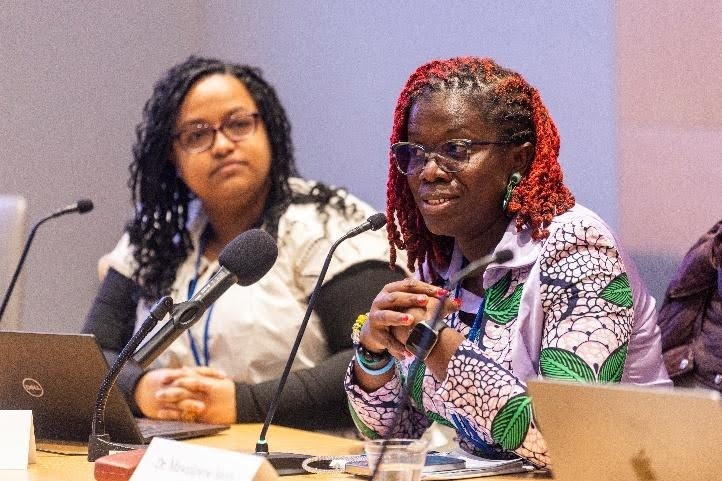
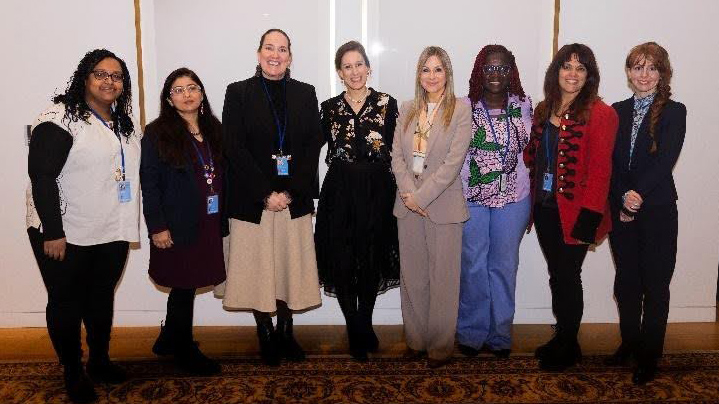
Access to justice should not depend on where a woman lives, her income, or her social status. At the 70th session of the Commission on the Status of Women (CSW70), Crossroads International helped bring community-rooted solutions to the global stage.
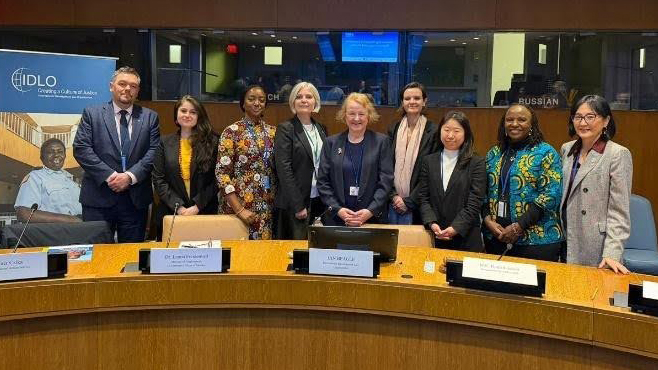
In partnership with the Barbra Schlifer Commemorative Clinic (BSCC) and with the collaboration of our partners FIDA Uganda and NETRIGHT Ghana, Crossroads co-hosted and participated in policy discussions showcasing community-driven, survivor-centred approaches. These included Community Legal Volunteers in Uganda and women-informed justice systems in Ghana, models that expand justice pathways for marginalized communities.
A key outcome of the CSW70 was the formal recognition of community justice workers and paralegals within legal frameworks, a milestone that reflects Crossroads’ long-standing programmatic approach. Across engagements, Crossroads emphasized the need for holistic solutions to gender-based violence, integrating legal empowerment, economic inclusion, and prevention strategies grounded in community leadership.
Ms. Liliane Byarugaba Adriko, Executive Director of FIDA Uganda emphasized: “Justice must extend beyond criminalization. Gender-based violence should be addressed as both a human rights issue and an economic issue, with governments recognizing the financial cost of violence and investing in implementation, not just legislation.”
These discussions reinforced a shift away from purely punitive responses toward inclusive, locally-rooted justice systems. In the context of moving beyond short-term interventions toward sustainable, community-driven approaches, Dr. Mawulawoe Awity from NETRIGHT and Executive Director of NEWIG, called for “...economic empowerment and community-rooted, women-led structures as essential to building, survivor-centred pathways to justice as many face barriers such as stigma, economic dependence, and limited access to formal legal systems”.
Participation in CSW70 strengthened Crossroads’ global partnerships and visibility, positioning the organization as a leader in advancing innovative, community-based approaches to gender equality and access to justice.
Time to Act – A Movement for Change
Lasting change happens when we come together. This year, Crossroads International joined forces with fellow volunteer cooperation agencies, community partners, volunteers, and Global Affairs Canada to launch Time to Act – a national movement celebrating the power of volunteering, solidarity, and collective action.

Funded through Global Affairs Canada’s Volunteer Cooperation Program, Time to Act brings together 15 Canadian organizations working to highlight the many ways people are creating positive change – locally and globally. By sharing stories, celebrating contributions, and connecting people with opportunities to get involved, the initiative aims to inspire a new generation of changemakers.
At its heart, Time to Act is a reminder that every action matters. Whether sharing skills with a community partner overseas, volunteering close to home, supporting a cause, or taking steps toward a more equitable world, individual actions can become a powerful collective force.
Through Crossroads’ participation, we are helping showcase the impact of volunteer cooperation: partnerships built on mutual learning, respect, and shared goals. Together with our partners across Africa and Canada, volunteers contribute their expertise, strengthen local initiatives, and support solutions led by communities themselves.
The movement is growing – and everyone has a role to play. Join thousands of people taking action by sharing your story, discovering ways to get involved, and inspiring others to contribute to positive change. Because when we act together, we create a ripple effect that can transform communities and build a more just and sustainable future.
Join the movement. Take action. Inspire change.
Visit Time to Act and discover how you can get involved.
Chapter 03
Voices of Partnership
From Backyard Garden to Community Leader in Côte d’Ivoire
When health challenges forced Adagra Cécile Epse Kouamé to leave her career as a transit agent in 2009, she never imagined a small vegetable garden behind her home would become the beginning of something much bigger.
Today, the mother of three is a passionate advocate for climate-smart agriculture in Kirifi, Côte d’Ivoire. She grows okra, eggplant, and peppers using organic methods, leads by example in her community, and encourages other women to adopt farming practices that protect both their families and the environment.
But farming has become increasingly difficult.

“The lack of rain dries out the land and makes cultivation more difficult,” Adagra explains. “With climate change, it is becoming more and more complicated to produce enough.”
Through the SAGA 2 initiative, Crossroads International and local partner Génération Femmes du 3ème Millénaire (GFM3) helped women like Adagra strengthen their resilience to climate change. Farmers received training in sustainable agricultural practices, improved organizational management, and community-led savings and financing systems that enable women to invest in climate-smart farming.
“Today, my greatest satisfaction is being able to feed my family with healthy food while protecting their health.”
Armed with new knowledge, Adagra now restores soil fertility with natural compost, diversifies her crops, and shares what she has learned with others.
The impact reaches far beyond her own garden.
Across the Indénié-Djuablin region, nearly 100 women organized into three Village Savings and Loan Associations, are strengthening their food security and incomes through climate-resilient agriculture. Together, they contribute one-third of each harvest to local school canteens, making sure that children receive nutritious meals while building stronger, more resilient communities.
“Today, my greatest satisfaction is being able to feed my family with healthy food while protecting their health,” she says. “I've also encouraged other women to adopt agriculture without chemicals for the well-being of their families.”
For Adagra, the solution to climate change must include women's leadership.
“Women play a central role in the family, food production and protecting the environment,” she says. “It is crucial to involve them so they can help protect natural resources and ensure a better future for generations to come.”
What began as a backyard garden has become a source of leadership, resilience, and inspiration. Adagra's story demonstrates that when women farmers have access to knowledge, resources, and support, they become powerful agents of climate action for their families and communities.
Scholars for Social Change: Investing in Uganda's Next Generation of Leaders

When the Scholars for Social Change (SSC) project launched in Uganda in 2023 in partnership with the Mastercard Foundation, its goal was simple: help talented young graduates turn their education into meaningful careers while strengthening local organizations working for social change. Three years later, the results speak for themselves.
Delivered through a partnership between Crossroads International and the Mastercard Foundation, the project connected 59 Mastercard Foundation Scholars Program alumni with paid placements in 26 organizations across Uganda. Women represented three-quarters of participants, while refugees and persons with disabilities were intentionally included to ensure opportunities reached those often excluded from the workforce.
But the true impact of SSC is found in the individual journeys behind the numbers.
Turning Potential into Purpose
For Anthony Munguriek, a placement with Reach A Hand Uganda became the opportunity he had long been searching for.
“It gave me the platform I had been missing – an opportunity to gain practical experience, mentorship, and professional guidance.”
Through the program, Anthony strengthened his skills in proposal writing, donor engagement, and project design. He later became a Core Life Skills Trainer supporting young people with disabilities and helped develop an innovative educational game promoting sexual and reproductive health awareness.
For Regina Kengonzi, the challenge was navigating the transition from university to work without professional networks or mentors.
“I was navigating everything on my own – searching for opportunities and trying to prove myself without much support.”
Her placement with Reach Out Mbuya provided hands-on experience in project management, community mobilization, and stakeholder engagement, helping her build both skills and confidence while contributing to programs that support vulnerable community members.
Strengthening Individual and Organizational Capacity
The benefits extended well beyond the scholars themselves. Host organizations reported stronger internal systems, improved fundraising efforts, and enhanced program delivery.
At WOUGNET, scholar Molly Namwogerere helped secure more than US$50,000 in grants through successful proposal development, supporting initiatives focused on digital inclusion, gender justice, and women's empowerment through technology.
“Becoming a scholar under the SSC project was a turning point for me.”
Her story reflects the broader impact of the program: when young professionals are given opportunities to lead, entire organizations and communities benefit.
A Lasting Legacy
As the project comes to a close, its legacy extends far beyond employment placements. SSC helped cultivate a new generation of skilled, confident, and purpose-driven leaders while strengthening the organizations working to advance development across Uganda.
Nearly 90% of scholars reported gaining critical professional skills, and 98% felt prepared for careers in community development and the non-profit sector. More importantly, they leave the program with the experience, networks, and confidence to continue driving change in their communities.
What began as a bridge between education and employment has become a network of young leaders equipped to shape Uganda's future.


Meet Our Crossroaders
Hear directly from our volunteers! In these videos, Jin Sub, Kathy, Laurence, and Daniel reflect on their experiences abroad, the partnerships they supported, and the meaningful connections they built with communities. Their stories highlight the power of learning, collaboration, and solidarity across borders.
Jin Sub Byun (Uganda)
Kathy Phillips (Tanzania)
Laurence (Ethiopia)
Daniel Saxton (Eswatini)
Chapter 04
Change in Action
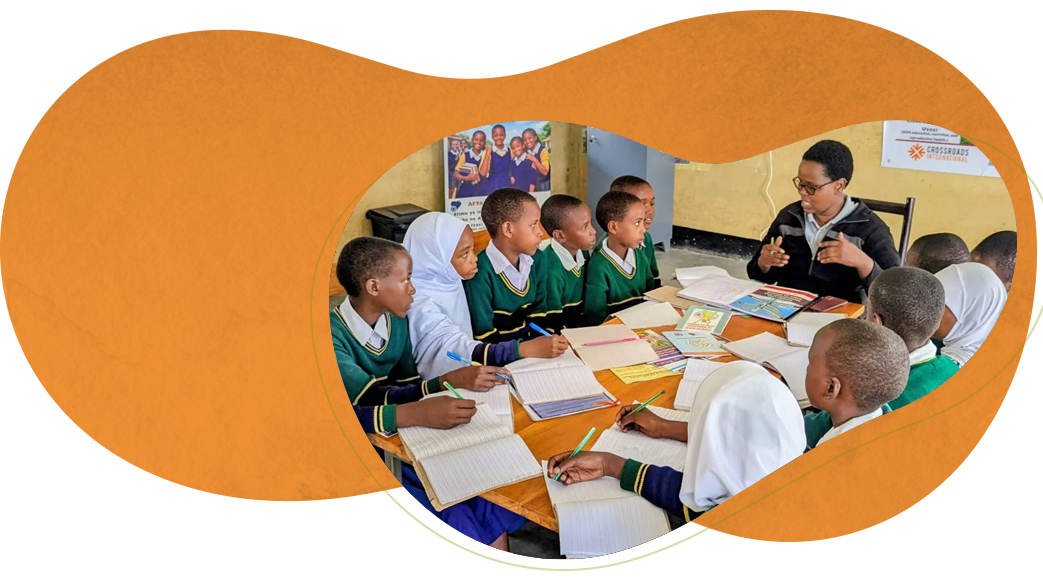
Transformative Projects: From flagship investments to targeted pilot initiatives, these projects demonstrate how change happens at different scales, from reaching tens of thousands of people to testing innovative community-led approaches with the potential for broader impact.
IMAJE Project Launches in Senegal
Creating Pathways for Youth and Women to Lead Senegal’s Green Economy Transition
In eastern Senegal, thousands of young people are searching for opportunities to build their futures close to home. Through IMAJE (Multisectoral Initiative for the Future of Youth in the Green Economy), a new five-year initiative focused on the green economy, youth and women are gaining the skills, resources, and support needed to turn those opportunities into reality.

Funded by Global Affairs Canada, IMAJE brings together a consortium of three Canadian organizations: Crossroads International, Fondation Paul-Gérin-Lajoie (lead), and Desjardins International Development. Together with Senegalese partners and community actors, the project is helping youth and women build skills, strengthen livelihoods, and play a leading role in sustainable development.
Three Pathways Toward Lasting Change
Senegal’s young population represents tremendous potential, but many young people – particularly women – continue to face barriers to employment, entrepreneurship, and economic independence. IMAJE responds by creating opportunities through three interconnected pathways:
1. Building green skills and employment openings
IMAJE expands access to technical and vocational training, professional development, and skills-building that respond to local needs while preparing youth for emerging opportunities in the green economy.
2. Supporting sustainable entrepreneurship and economic resilience
The project strengthens youth- and women-led businesses and economic initiatives by improving access to resources, networks, and prospects that support sustainable livelihoods and climate resilience.
3. Strengthening youth and women’s leadership
IMAJE works with communities, institutions, and local actors to create a more supportive environment where youth and women can participate in decision-making, make their voices heard, and lead solutions for their communities.
Investing in Communities and the Future of Senegal
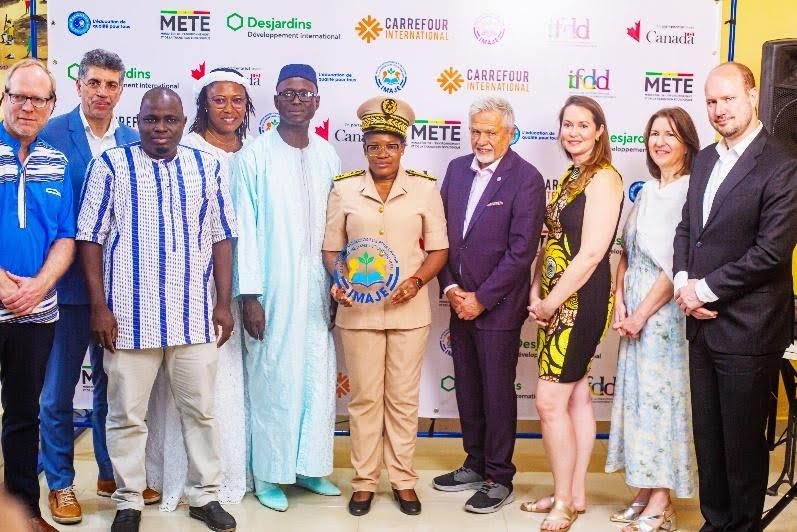
The official launch of IMAJE highlighted the complementary expertise of the consortium partners and the strong commitment of communities in Tambacounda and Kédougou. Local stakeholders recognized the initiative as an investment in people and in the future potential of their regions, responding to urgent needs for greater economic opportunity and resilience.
“Senegal is rich in one of its greatest assets: its youth. When young people and women have the skills, opportunities, and confidence to lead, they become powerful agents of change for their communities. IMAJE is helping create the conditions for that leadership to thrive.”

By creating more pathways for young Senegalese people to build their futures at home, IMAJE also contributes to addressing some of the factors that drive youth migration. The project supports young people and women as agents of change, ensuring they have the skills, confidence, and opportunities to shape a more inclusive and sustainable future.
Through IMAJE, Crossroads International and its partners are helping build a future where youth and women are not only participants in Senegal’s green economy transition – they are leading it.
Quick project facts
- Duration: 2025–2030
- Location: Tambacounda and Kédougou regions, Senegal
- Funder: Global Affairs Canada
- Consortium partners: Crossroads International, Fondation Paul-Gérin-Lajoie (lead), and Desjardins International Development
- Expected direct participants: 43,000+ people, including nearly 21,500 women
- Focus areas: Green skills, youth employment, women’s economic empowerment, entrepreneurship, climate resilience, and inclusive economic development
Bringing Justice Closer to Home for Women With Disabilities
When women in her community face legal challenges, Apolot Angella is often one of the first people they turn to. As a Community Legal Volunteer, she is helping bring justice closer to home for women with disabilities in northern Uganda.
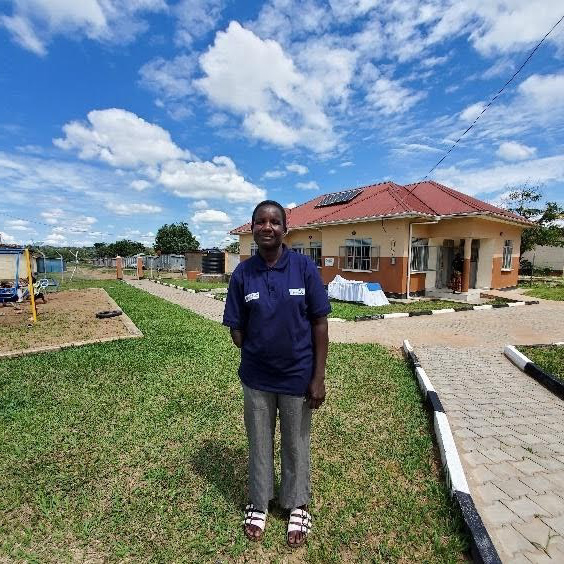
For many women with disabilities in Uganda, accessing legal support can be difficult because of physical barriers, discrimination, and limited services. Through its Gender Equality Innovation Fund, Crossroads partnered with FIDA Uganda to help change that.
As part of a targeted pilot initiative, 20 women with disabilities were trained as Community Legal Volunteers. These trusted local leaders provide legal information, connect people with services, and advocate for the rights of women and girls in their communities. Their leadership helps expand the initiative's impact, reaching hundreds more people through community networks and peer support.
To support their work, the project established an accessible Justice Innovation Hub (JIHUB) at Arua Central Police and developed specialized training on gender equality, disability inclusion, legal rights, and advocacy. Participants' knowledge increased from 50% to nearly 86%, giving them the confidence and skills to support others.
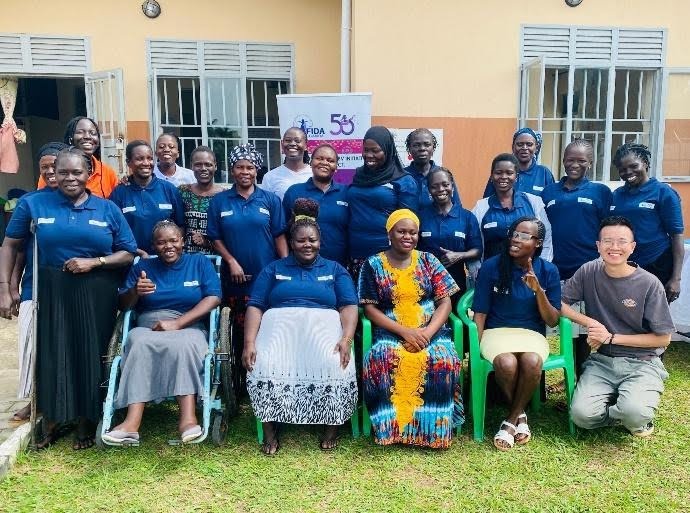
The impact was immediate. During the project, Community Legal Volunteers helped resolve 313 legal cases and reached more than 400 community members through education sessions on legal rights and economic empowerment.
The project's impact also extended beyond the local community. Two Community Legal Volunteers represented their communities at a national dialogue with UN human rights representatives, advocating for more inclusive justice systems across Uganda.
This initiative demonstrates the power of locally-driven solutions. By equipping local women to become justice advocates, the project is helping ensure that women with disabilities can access the support they need, have their voices heard, and play an active role in building a more inclusive society.
“We Can Invite Ourselves”: Deaf Young Women Claiming Their Place
Latifa, a young woman from Sagnarigu in Ghana’s Northern Region, understands the barriers deaf girls and women face. For many years, discrimination, stigma, and inaccessible services have limited their ability to access information, participate in public life, and influence decisions affecting their communities.
“In the deaf community in the Northern region, I've heard a lot of negative talks and comments towards young girls and women.”
Through its partnership with the Human Rights Advocacy Centre (HRAC), Crossroads International supported a project to help change this reality – ensuring young women with disabilities have the knowledge, confidence, and opportunities to become active citizens and leaders.
Breaking down barriers to participation
Although Ghana has commitments to protect the rights of people with disabilities, many deaf women still face challenges accessing services and participating in community decision-making. Limited accessibility, including a lack of interpretation services, often leaves their voices unheard.

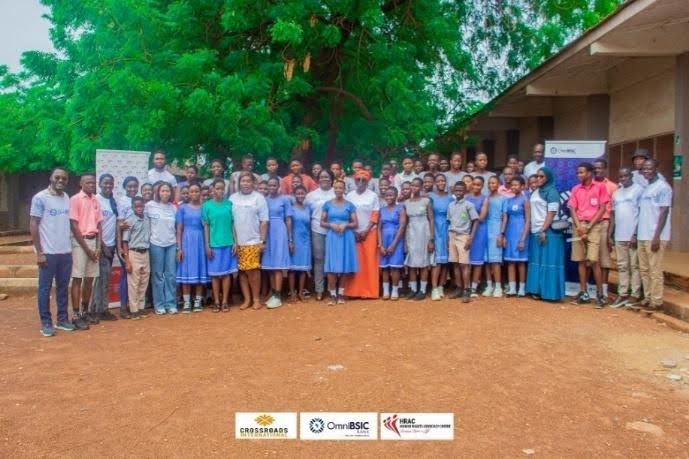
The project worked to address these barriers by bringing together young people, educators, community leaders, and local decision-makers. HRAC trained facilitators, including sign language interpreters, on human rights, civic participation, democratic principles, and Ghana’s Affirmative Action law. Learning materials were adapted using sign language, braille, and simplified formats to ensure everyone could participate.
Dialogue sessions with chiefs, elders, and assembly members encouraged leaders to recognize the importance of including deaf women and young people in community forums and decision-making spaces.
From exclusion to leadership
Before the project began, many deaf students – especially girls – had never participated in public discussions or decisions affecting their schools and communities. Some had never imagined themselves as leaders.
Through workshops, peer learning, and youth networks, participants began to see civic engagement as something they could actively shape.
“Before, I thought leadership was for boys or hearing students. Now I know my opinion counts, and I can help make decisions,” shared Fidals, one of the young participants. The project also helped shift attitudes among community members. Hearing and deaf youth began engaging differently, while leaders saw the value of creating spaces where everyone could contribute.
Challenges remain, including the cost of interpretation services and gender norms that can limit girls’ participation. But the project demonstrated a powerful lesson: when accessibility is built in from the start, inclusion becomes possible.
To sustain this momentum, the project selected 20 Affirmative Action Ambassadors who are continuing to promote inclusive participation and advocate for marginalized groups.
For Latifa, this change is about creating opportunities for the next generation.
“I want to teach younger deaf girls that they can speak up,” she says. “We shouldn’t wait for someone to invite us – we can invite ourselves.”
This is the power of inclusive development: not only opening doors for participation, but ensuring people have the tools and confidence to lead.
A volunteer strengthening innovation and inclusion
Crossroads volunteer Stephanie Kumi, Program Support Advisor, helped strengthen the project’s design and implementation.
“I want to teach younger deaf girls that they can speak up. We shouldn’t wait for someone to invite us – we can invite ourselves.”
She supported the creation of accessible learning tools, participatory monitoring approaches, and mentorship for youth leaders. Her contribution helped ensure inclusion was embedded throughout the project – not treated as an add-on – and strengthened the ability of young women to advocate for their rights and participate in decision-making.
Together with HRAC, young women like Latifa are proving that when barriers are removed, new leaders emerge.
Building Confidence in a Digital Future: Helping Entrepreneurs Embrace AI
For many young entrepreneurs and non-profit professionals in Eswatini, artificial intelligence felt unfamiliar and intimidating. Through practical training led by Crossroads volunteer and AI literacy expert Bolu Michael-Biyi, participants discovered that AI could be a tool to save time, spark creativity, and strengthen their work.
“AI will not replace humans; it will replace those who do not know how to use it.”
In July 2025, Crossroads partner Kwahka Indvodza (KI) partnered with the Mbabane City Council to bring together 22 young entrepreneurs for an AI training session focused on using technology to grow their businesses. Building on this momentum, Bolu Michael-Biyi expanded the training to reach non-profit organizations and other partners interested in applying AI to their day-to-day work. Later that year, more than 20 SWAGAA (eSwatini Action Group Against Abuse) staff members, from finance and communications teams to program managers and leadership, participated in AI for Non-Profits: Practical Tools for Impact.

The goal was simple: move beyond talking about AI and help people use it in their everyday work. Participants explored practical applications, from creating marketing materials and engaging customers to improving reports, research, and administrative tasks. Through hands-on exercises, many experienced a turning point: seeing that tools that once seemed complex could make everyday tasks faster and easier.
For entrepreneurs, the training opened new pathways to improve branding, promote their products, and reach new customers. For SWAGAA staff, it highlighted ways AI could reduce time spent on repetitive tasks and strengthen program delivery.

One participant shared: “I learned how to use AI tools to draft reports faster, analyze data more accurately, and communicate more clearly with partners. Tasks that once took hours can now be completed in a fraction of the time.”
Beyond the skills gained, the biggest change was confidence. Participants left less hesitant about new technologies and more willing to experiment with digital tools in their businesses and organizations.
Bolu Michael-Biyi’s role as a Crossroads volunteer was key to this shift. By making complex concepts accessible and connecting AI tools to participants’ real needs, he helped turn uncertainty into curiosity and practical action. This initiative showed that digital transformation does not need to be complicated – it starts with the right support, relevant tools, and the confidence to try something new.
Chapter 05
Our Community of Supporters
The Slaight Family Foundation
Crossroads International wishes to extend its sincere gratitude to the Slaight Family Foundation for their generous funding. Their timely support has allowed us to respond swiftly to urgent needs in the countries where we operate, ensuring that women and girls in sub-Saharan Africa continue to receive the assistance they depend on, even in the most challenging circumstances. We are deeply thankful for the Foundation's commitment to our mission.
Acknowledging New Donors
Crossroads International would also like to warmly welcome and acknowledge our new donors, whose generosity is helping to expand the reach and impact of our work: the Peter Gilgan Foundation, the Fondation Thérèse et Guy Charron, the Zoie Gardner Overseas Fund, and the Basilian Fathers of Toronto. Their support marks the beginning of what we hope will be a lasting partnership in advancing the rights and resilience of women and girls in sub-Saharan Africa.
Legacy Circle

The ONE WORLD Legacy Circle is composed of a special group of supporters who opted to make their core values known to future generations through a legacy gift. With gratitude, we are pleased to recognize some Crossroaders who have taken the generous and compassionate act of including Crossroads International in their Will. These supporters are helping to reduce poverty and empower women and girls for generations to come.
Anonymous (3)
Francine Baril
Norine E. Baron
Darlene Bessey
Angèle Bouffard
Barbara Brockmann
Charles Brown
Kelly A Fitzgerald
Patsy George
Stacey Christine Hagen
Laurence Hebb
Alain Héroux
Janek Jagiellowicz
MaryAnn Jansen
Geralyn Klassen
Rick Lane
Daphne Carol Helen Loukidelis
Pauline MacDonald-Smith
Danae Mack
Jo-Ann Mackie
Dorothy McCabe
Donna McGee
Delphine Melanson
Jennifer L. Mitchell
Marli Jane Ramsey
Gwen Schauerte
The late Crissy George
Agnès van't Bosch
REALIZED
Anonymous (2)
Estate of Alvin Wall
Estate of Randy Pepper
Estate of Alan and Corinne Lane
Estate of Phyllis Jane Bloch
Board, Leadership and Honorary Patrons
Crossroads International’s work is expertly guided by an accomplished and diverse – and extremely dedicated! – volunteer board:
Board
Laura Da Re
Mariama Dramé
Roland Hung
Fabien Lanteri-Massa
Jean Olemou
Julianne Osberg
Janet Riehm
Tara Scanlan
Chelsey Smith
Vanita Varma
Humeyra A. Karsli
Tatenda Mhaka
Leadership
Heather Shapter, Executive Director
Christine Messier, Program Director
Alex Perdue, Finance Director
Wanjiro Ndungu, Senior Manager, Philanthropy and Public Engagement
Honorary Patrons
Audrey Marlene McLaughlin
Ann McCain Evans
Betty Plewes
J. Robert S. Prichard
Lawrence Hill
Lyse Doucet
Dr. Peter Paris
Design
Design for Good
Translation
Altera
With thanks to the regional offices and volunteer teams for their contributions.
Our Volunteers
Volunteers make our work possible. They work with local partners to pilot new approaches and increase their capacity and their impact.
Adjo Frederique Kanga
Afi Xolali Zotchi
Aggrey Etowp
Alina Valachi
Alpha Oumar Diallo
Amevi Corine Sodjadan
Anais Roxanne Dagrou
Andrea
Ange Bessy Yao
Arnaud Segla
Astou Ndiaye
Awa Daouda Koita
Bassirou Beye
Bien-aimee Gohi
Bocar Diacko
Brenda Okorogba
Caitlynn Lowenberg
Carolanne Tremblay
Christian Akpanya
Christine-Ashley Naaashami Aryee
Daniel Roy
Deepa Matto
Denis Boevi Lawson
Denise Tremblay
Deogratias Ahuka
Derrick Owusu-Kodua
Dirshaye Beyene
Elizabeth Abena Opoku
Eric Nadje
Ethel Muhumuza
Fredricka Agyapong
Gabriel Oluwaseun Adebayo
Georgia Alexander
Gninlnan Isaac Emmanuel Toure
Gnougouya Essossolim Assima
Hamza Qureshi
Idrissa Sougue
Ifeoluwa Ijaopo
Irene Boateng
Isimbi Nicole Dusabe
Issiatou Sawadogo
James Gates
Jason Doucet
Jehan Chaudry
Jin Byun
Jonah Zapparoli
Jonathan Chambers
Kafui Adjamagbo Johnson
Karidja Tanou
Kathleen Kelly
Kathy Phillips
Kevin Macdonald
Khadijah Suleman
Kodjovi Dodji Tokpo
Laurence Dagenais-Poulin
Leandro Lima
Liliane Gladys Byarugaba-Adriko
Lynn O'rourke
Madison Maclean
Magnim Aledi
Mah Traore
Maha Babeker
Maimouna Thera
Mame Aissatou Diop
Mamoudou Dotia Amadou
Maral Bolourian
Mariama Fall
Maricela Lozano
Marie Ndiaye
Mario Kadjaza
Marlyatou Barry
Marlyatou Dosso
Mashoud Barry
Matam Ba
Mawulawoe Adjoa Awity
Meghan Hutton
Melika Toure
Mia George
Michael Clement Cambare
Moise Tchomguia
Moufidatou Ouro-Agbandjala
Muha Masoud
Muniratu Mahama
Nabindou Traole
Najeem Ewesesan
N'deye Awa Sall
Nigatu Regassa Geda
Nosisa Penelope Ngwenyama
Nuala Lawlor
Olivia Vuguregeya
Oluwatife (Bolu) Michael-Biyi
Ousman Cisse
Palakiyem Amouzou
Ramatoulaye Diallo
Sabine Girt
Sally Salem
Samiratou Tchatchibara
Saxton Daniel
Segenet Tessema
Shadrac Aloudjo
Shams Osman
Sheliza Ramji
Stephanie Agyapong
Stephanie Kumi
Tara Brown
Toyeeb Arowona
Tsitsi Ettienne
Verensa Akouemo
Vianney Missumbi
Wazi Dlamini-Kapenda
Wilver Kongoro
Yasser Kabulimbo
Yedi Affissata Ouattara
Zahir Suleman
Our Partners
It is only through mutual and respectful cooperation that we can champion gender equality. With local partners, we collaborate to bridge local and international, public and private sector organizations to create sustainable change.
Burkina Faso
Canada
Eswatini
Ethiopia
Ghana
Guinea
Ivory Coast
Senegal
Tanzania
Togo
Uganda
Our Donors
Your gifts make our work possible, give hope, empower and strengthen us, our partners and the communities we serve. Thank you so much for your generosity.
GOVERNMENT FUNDERS
CORPORATE PARTNERS
$100,000+
$50,000 - $99,999
$25,000 - $49,999
$10,000 - $24,999
$5,000 - $9,999
$2,500 - $4,999
$1,000 - $2,499
$500 - $999
Financial Statement
Audited financial statements for Crossroads International are available on our website or upon request.
Revenue
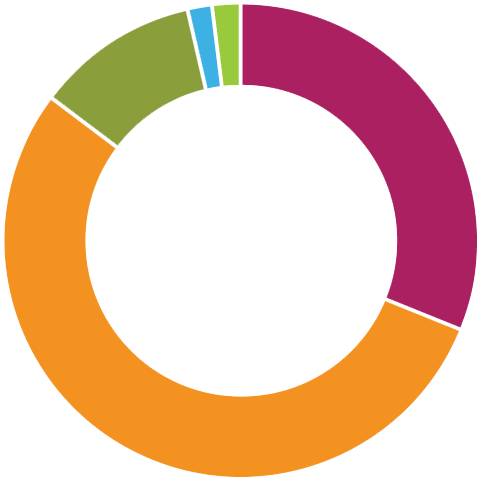
| Global Affairs Canada (GAC) | $5,804,054 | |
| Volunteer In-Kind Contributions | $10,114,802 | |
| Other In-Kind | $0 | |
| Donations | $2,040,036 | |
| Province of Quebec | $299,064 | |
| Investment Income | $351,011 | |
| Total | $18,608,967 |
Expenses
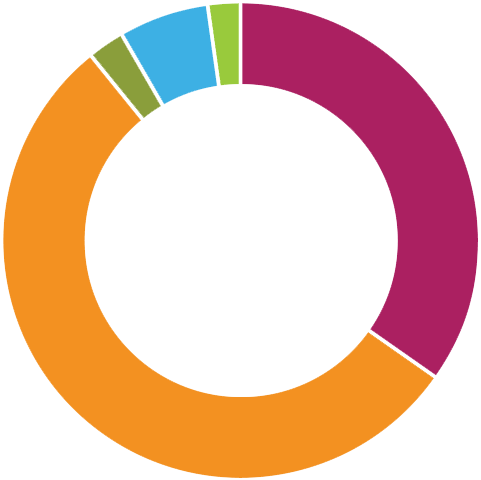
| International Programs | $6,478,570 | |
| Volunteer In-Kind Contributions | $10,114,802 | |
| Public Engagement | $479,482 | |
| Administration, Operations and Governance | $1,117,765 | |
| Fundraising | $389,643 | |
| Total | $18,580,262 |